
AI Didn't Get the Memo on Fair Hiring
AI can save time in the hiring process, but knowing where to use it (and where not to) matters.
For small and growing businesses, AI can be incredibly useful in recruiting.
It can help draft job postings, organize candidate information, schedule interviews, and take some of the administrative work off your plate—especially when hiring is just one of the many things you're managing.
But there's a difference between using AI to make hiring easier and letting it make hiring decisions for you.
You May Be Using More AI Than You Realize
AI isn't limited to ChatGPT and Claude.
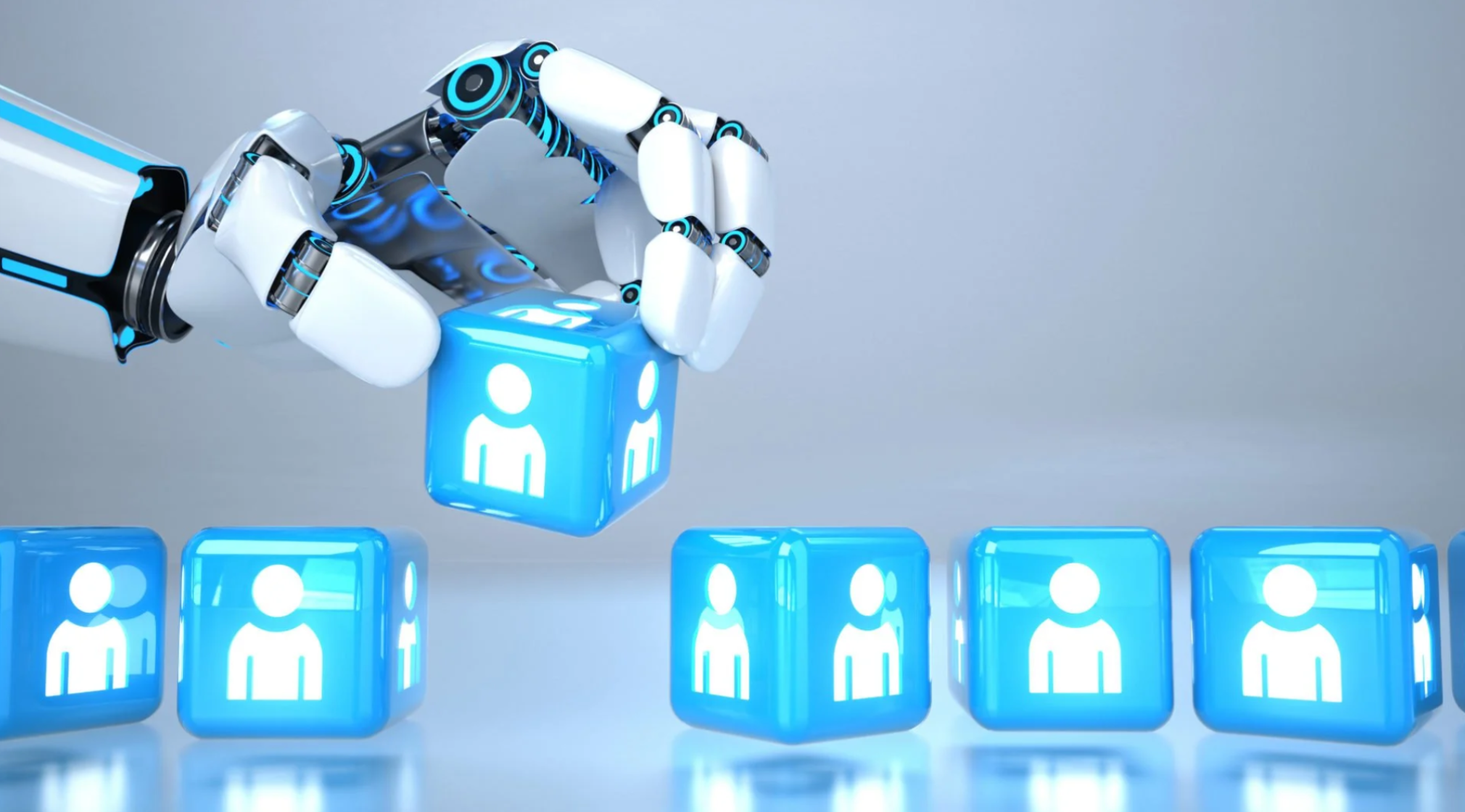
Many recruiting platforms now have built-in tools that can screen resumes, rank applicants, match candidates to jobs, or recommend who should move forward.
That's where employers should pay attention. If technology is influencing who gets seen, interviewed, or moved forward, you should understand what it's doing and how much your team is relying on it.
Ask yourself:
Does your Applicant Tracking System (ATS) auto-reject or auto-rank candidates before a human ever sees them?
Do candidates know AI is involved in reviewing their application?
Has anyone actually checked who the tool is screening out, and why?
If you can't answer all three with confidence, that's worth a closer look.
The Risk Isn't Just Theoretical
We've already seen what can happen when automated hiring tools get it wrong.
In one case brought by the Equal Employment Opportunity Commission (EEOC), a company's application software was programmed to automatically reject female applicants age 55 or older and male applicants age 60 or older. More than 200 qualified applicants were allegedly rejected based on age, and the company agreed to a $365,000 settlement.
It's extreme. But it's a preview of where things are headed.
More recent cases have pushed this even further, including litigation alleging that AI-powered screening tools used by a major HR software platform led to discriminatory outcomes based on race, age, and disability.
Courts are now grappling with a bigger question: if the technology does the discriminating, who's responsible: the employer, the vendor, or both? Early signs suggest it may be both. The lesson isn't "don't use AI in hiring." It's "don't use it blindly." Every employer named in one of these cases could have caught the problem with a basic audit before it became a lawsuit.
And regulations are catching up. Some jurisdictions already require specific disclosures, candidate consent, or independent bias audits before employers can use certain AI-powered hiring tools.
As an employer, you don't need to become an AI expert. But you do need to know what your recruiting technology is doing, and be able to explain it if someone ever asks.
Keep the Human in Hiring
A candidate is more than the keywords on their resume. Some of the best hires don't look perfect on paper, they may have transferable experience, come from a different industry, or bring strengths that aren't obvious until you actually have a conversation with them.
Use AI to save time where it makes sense, drafting, organizing, scheduling, supporting your team. But when it starts screening, ranking, or evaluating people, slow down and understand how it's influencing the process.
The Triumph Takeaway:
AI can absolutely make recruiting more efficient. The goal isn't to avoid it, it's to use it thoughtfully.
Know which tools you're using. Understand where they're influencing hiring decisions. And keep human judgment at the center of the process.
Because AI can help you move faster. Finding the right person still takes people.
Want help keeping the human in hiring?
Triumph HR can help take recruiting off your plate, from finding and screening candidates to managing the hiring process from start to finish. Let’s talk.